Know what you can safely handle
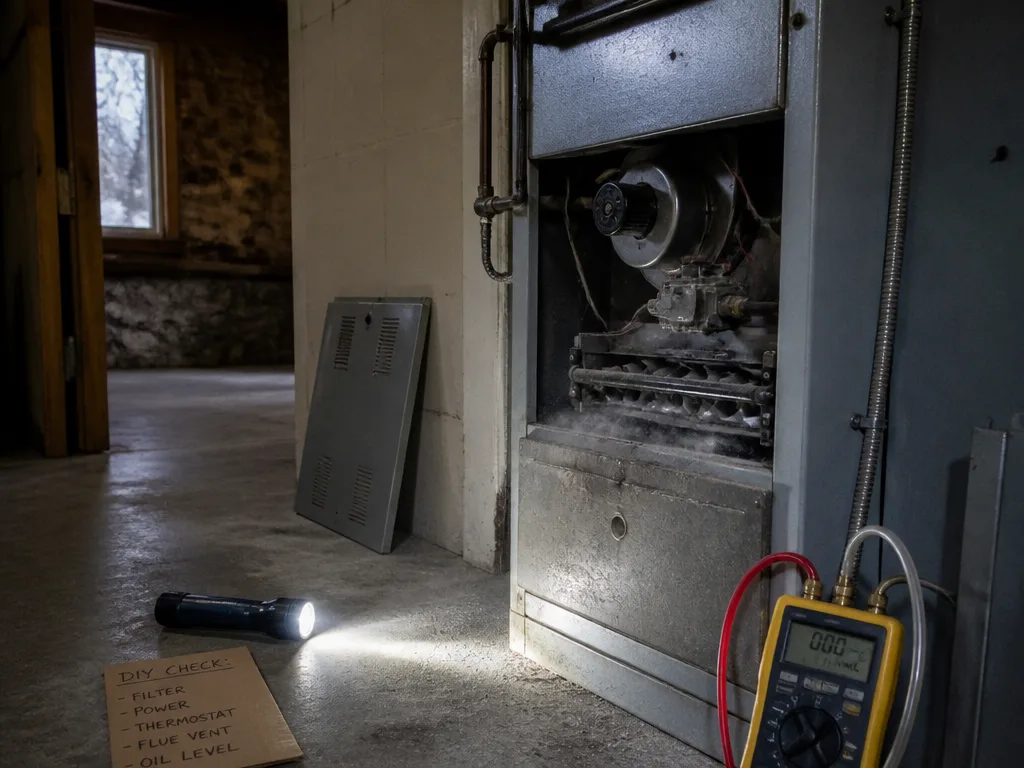
Some routine upkeep is within reach for homeowners in New Hampshire. If you hear a faint popping during startup, first check the air filter and ensure the area around the furnace is clear. Replace a dirty filter and wipe away debris. If the unit runs normally after a simple filter change, you may be able to monitor it and schedule a tune-up before the cold season hits.
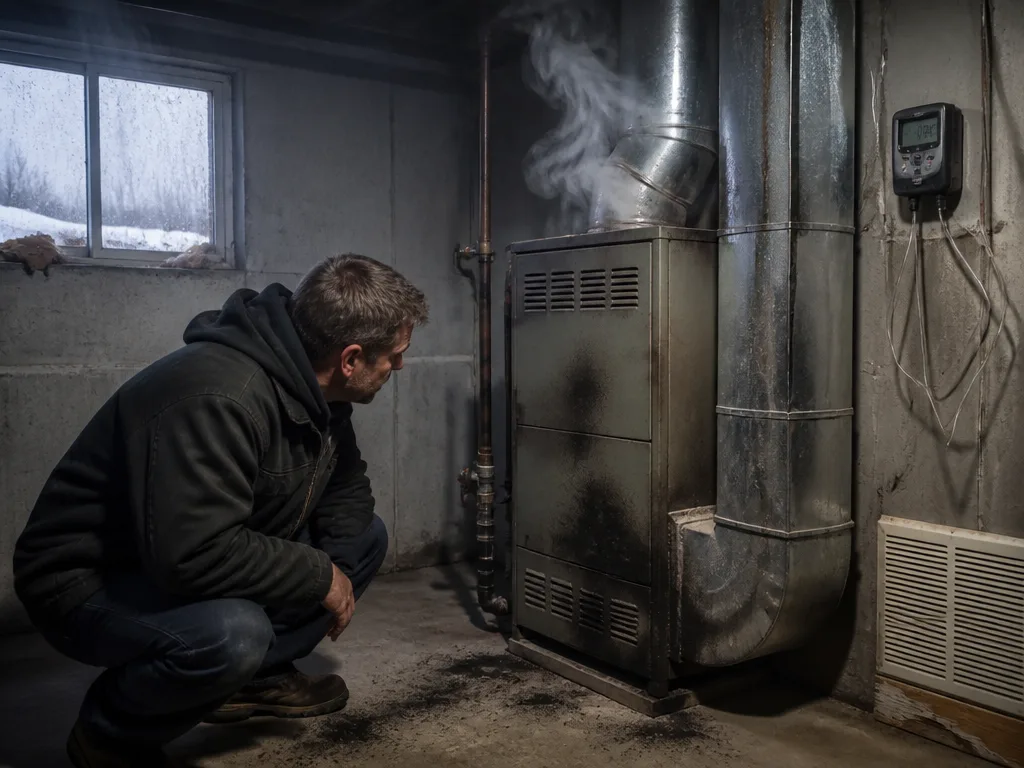
But when you notice persistent odors, soot around the cabinet, or inconsistent heating, that’s a signal to pause and call in an HVAC technician from New Hampshire Furnace Puffback Cleanup. In these cases, attempting a DIY fix could mask a safety issue or lead to more expensive repairs later.
Clear signs to call a pro right away
If you smell burnt or sulfur-like odors, or if the carbon monoxide alarm sounds, exit the home and call emergency services if needed. Then contact a local HVAC technician for a thorough inspection. Do not run the system while you suspect a puffback, and avoid trying to reseal vents or bypass safety features.
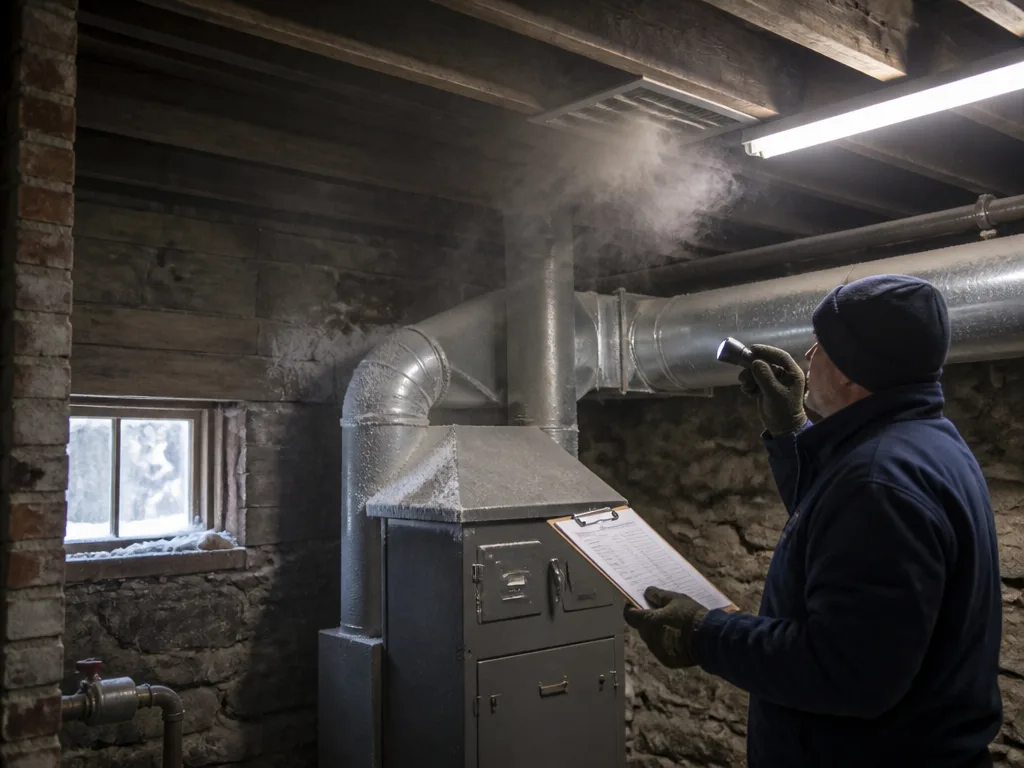
Other situations that warrant a professional visit include odd noises, lingering smoke after startup, or reduced airflow despite a clean filter. Our team can perform a safe ignition check, review venting and combustion, and determine if parts need replacement.
How a pro approach differs from DIY
A professional assessment in New Hampshire includes measuring combustion efficiency, testing for carbon monoxide, and inspecting the heat exchanger for cracks. We provide a written plan with options and cost ranges, made to fit your home and budget. The goal is reliable, safe operation and clear next steps without guesswork.
If you’re unsure whether a situation is risky, it’s wise to book a same-week appointment with our HVAC technicians. We serve homeowners statewide and can accommodate flexible scheduling when a puffback concern arises.